Last updated: Dec 02 2025
Quick Answer:
Three days in Kyoto is enough for a calm, satisfying visit if the days are grouped by area. A simple plan is: one day in eastern Kyoto’s old streets and temples, one day in Arashiyama by the river, and one day split between Fushimi Inari and the famous pavilions in the north, with time left for markets and food.
TL;DR – Your three days at a glance
- Day 1 – East side: Kiyomizudera, the sloping lanes of Higashiyama, Yasaka Shrine, Maruyama Park, evening in Gion or Pontocho.
- Day 2 – Arashiyama: Bamboo grove at dawn, Tenryuji’s garden, river walk at Togetsukyo Bridge, optional Monkey Park, dinner back in central Kyoto.
- Day 3 – Gates and pavilions: Fushimi Inari early, then Kinkakuji and either Ginkakuji or a stretch of Philosopher’s Path, ending at Nishiki Market or Kyoto Station.
- Stay: Near Kyoto Station for easy trains and buses, or in Gion/Higashiyama if atmosphere matters more than convenience.
- Transport: Mix walking with city buses, subway, and short train hops. On your busiest day, a Kyoto City Subway & Bus 1-Day Pass can be good value.京都市情報館+1
- Budget: Costs depend on hotel level and season; planning tools like a simple Japan trip cost calculator help shape the bigger picture.
Day-by-day plan
Overview table
USD shown at ≈ 1 USD = ¥155; check live rates.
| Day | Main area | Highlights | Typical transit time | Booking notes |
|---|---|---|---|---|
| 1 | Eastern Kyoto | Kiyomizudera, Sannenzaka/Ninenzaka, Yasaka, Gion | Short bus / walking | Reserve popular dinner spots if possible |
| 2 | Arashiyama | Bamboo grove, Tenryuji, Togetsukyo, Monkey Park | 20–30 min by train | Check weather; Monkey Park is steep |
| 3 | South & North | Fushimi Inari, Kinkakuji, Ginkakuji / Philosopher’s Path | 10–40 min between areas | Note closing times at major temples |
Day 1 – Old streets and lanterns
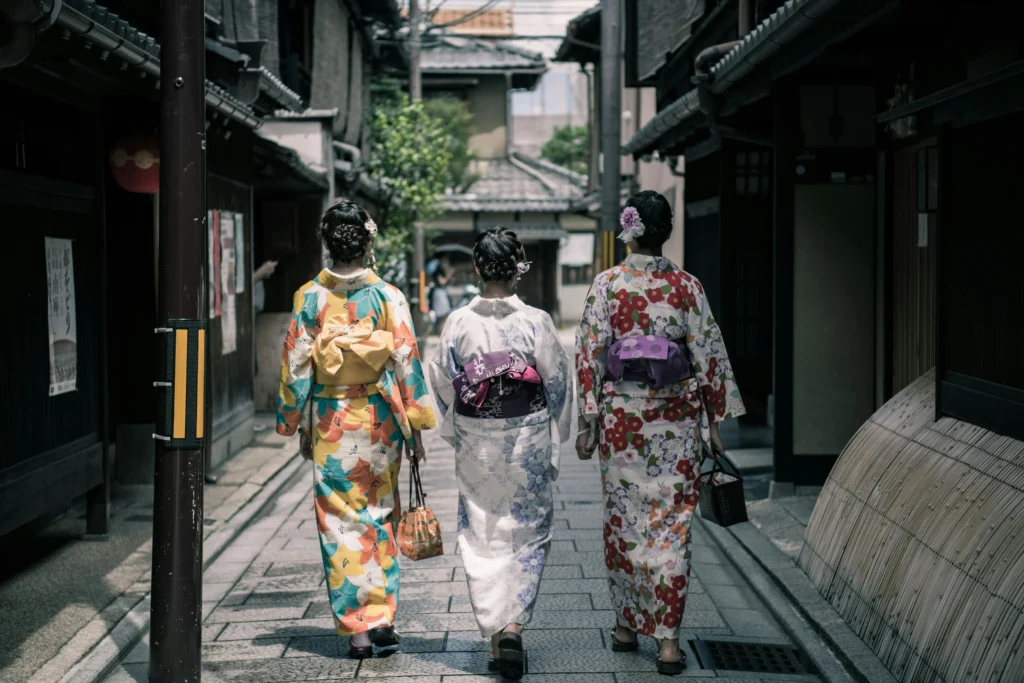
Start with the Kyoto that appears on postcards.
Morning: Kiyomizudera and Higashiyama
Arrive early at Kiyomizudera, one of Kyoto’s best-known temples, standing on a hillside with wide views over the city. The temple’s official site explains its long history as a place of Kannon worship.音羽山 清水寺+1 The final stretch up to the temple is steep and paved with stone; it can be hard work for anyone with knee or balance issues, so allow time and take breaks.
From the temple you can stroll down the narrow lanes of Sannenzaka and Ninenzaka, lined with wooden shopfronts and cafés. The steps here can be uneven, and they’re easier with comfortable shoes and light bags.
Afternoon: Yasaka Shrine and Maruyama Park
Continue north through Higashiyama, stopping at smaller temples or teahouses as energy allows. Yasaka Shrine and Maruyama Park sit at the heart of eastern Kyoto and are pleasant places for a short rest, especially during cherry blossom or autumn foliage seasons.
Evening: Gion and Pontocho
After a break at your hotel, walk through the Gion area and along the Kamo River. The city’s tourism board shares clear guidance on respectful behavior in Gion, including not blocking alleys or chasing geiko and maiko with cameras.Kyoto Travel Finish in Pontocho alley or nearby streets for dinner; many small restaurants are compact and book up quickly, so reservations help.
Day 2 – Arashiyama by the river
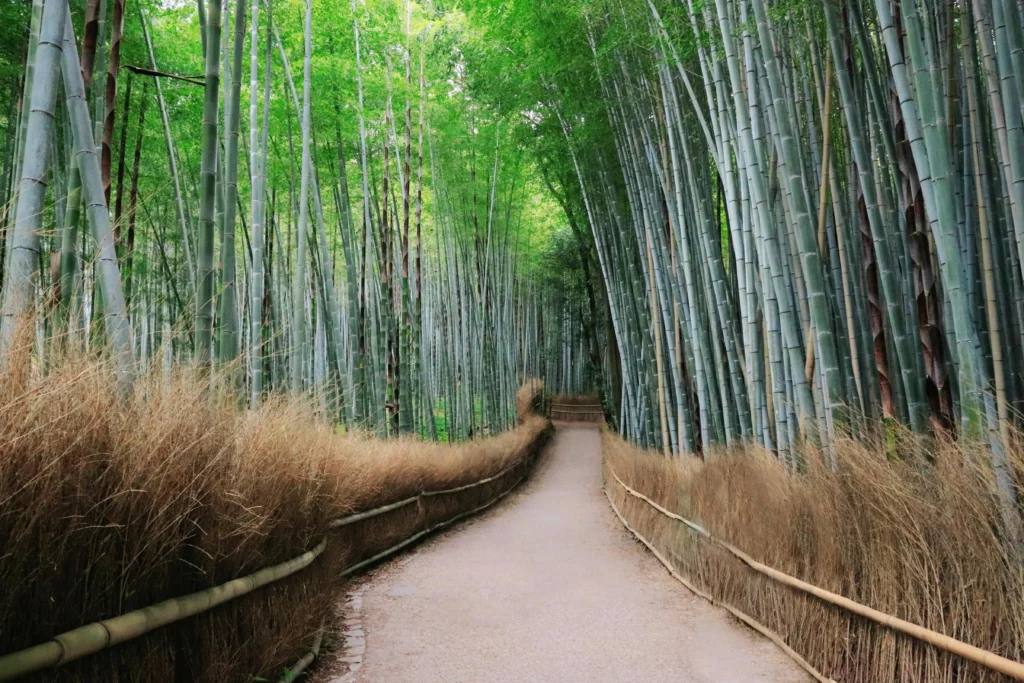
Arashiyama, on Kyoto’s western edge, is best early in the morning.
Morning: Bamboo grove and Tenryuji
From Kyoto Station, take the JR Sagano Line to Saga-Arashiyama Station, a ride of around 15–20 minutes, or use Hankyu Railway with a change to the local Arashiyama line; full route options appear on official railway maps. Once there, head straight to the bamboo grove before tour buses arrive. Paths are mostly level but can be crowded later in the day.
Nearby Tenryuji has a celebrated garden and offers a calmer experience than the bamboo path. Many visitors combine the two before lunch.
Afternoon: River and hills
Walk towards Togetsukyo Bridge, where you can enjoy river views and small shops. Families sometimes add Iwatayama Monkey Park, but should know it involves a steep uphill walk on a dirt path; this is not suitable for wheelchairs and may be tiring for young children or anyone with mobility limits.
Evening: Back to central Kyoto
Return to central Kyoto by JR or Hankyu. Before staying out late, it’s worth checking last train times on the official JR West and Hankyu Railway websites for your travel date. If you end up taking a taxi back, an online Japan taxi fare calculator can give a rough sense of cost.
Day 3 – Torii gates and golden reflections
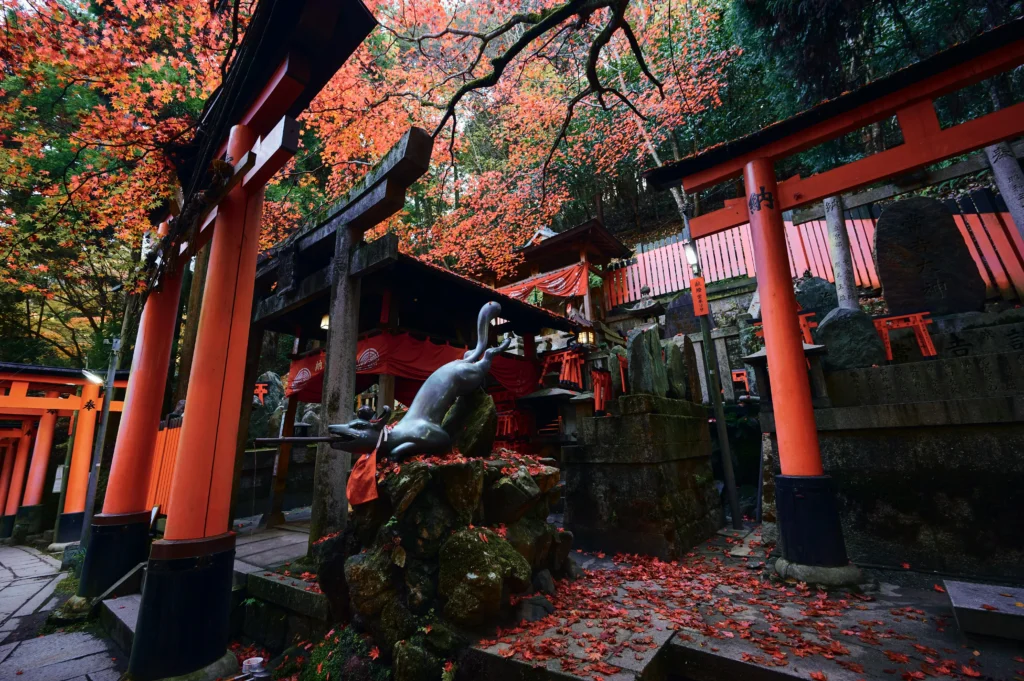
Early morning: Fushimi Inari
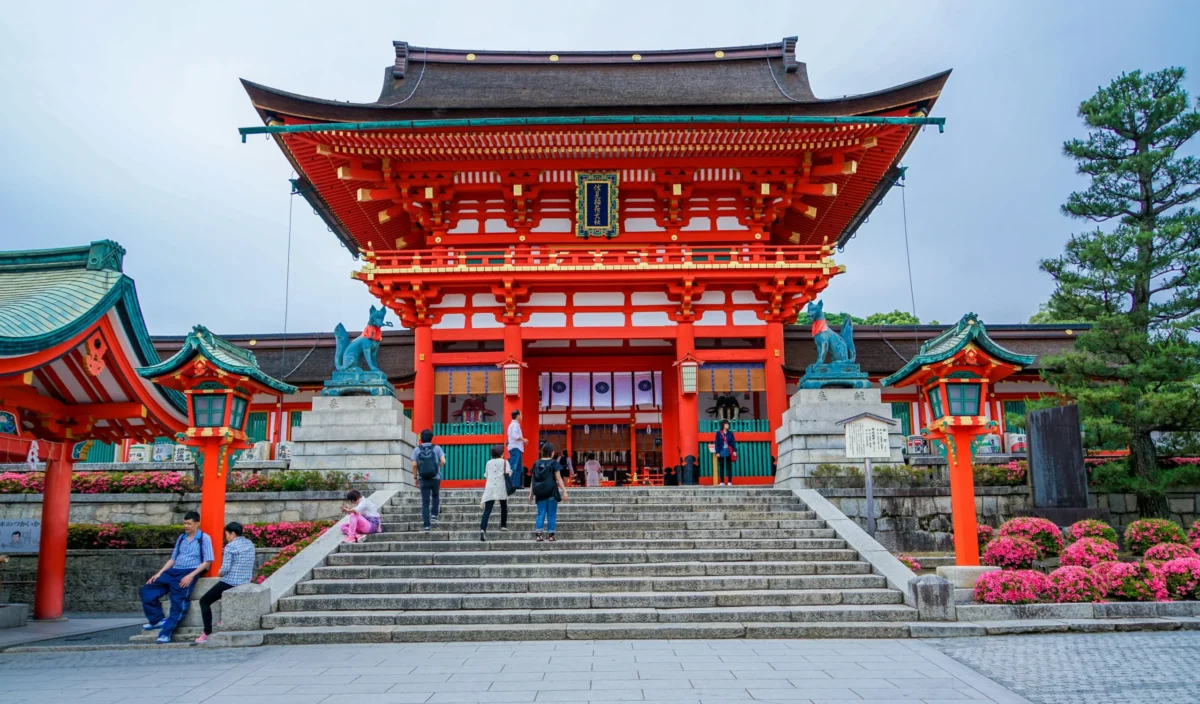
Fushimi Inari Taisha, south of central Kyoto, is open 24 hours and charges no admission fee.京都市情報館+1 To reach it, most visitors take the JR Nara Line from Kyoto Station to Inari Station, which is right by the main gate, or use Keihan Railway to nearby Fushimi-Inari Station. The first section of the famous torii gate tunnel is paved but includes stairs and slopes; the full loop over the mountain can take two to three hours.
Late morning and afternoon: Kinkakuji and northern Kyoto
After Fushimi, head north to Kinkakuji, the Golden Pavilion. The official Kinkakuji information page, managed by the Shokoku-ji temple complex, lists opening hours of 9:00–17:00 and a standard adult admission of 500 yen as of April 19, 2025.shokoku-ji.jp+1 The paths here are mostly level but can be crowded, especially on weekends and holidays.
If energy allows, add Ginkakuji or part of the Philosopher’s Path for a quieter contrast. For some travelers, especially in warm weather, it’s kinder to choose just one more major stop rather than trying to see everything in one day.
Late afternoon: Nishiki Market or Kyoto Station
Close the trip with food and last shopping. Nishiki Market and the nearby covered arcades offer snacks and souvenirs, but can be narrow and busy. Alternatively, Kyoto Station’s malls and department stores are fully covered, flat, and easier to navigate with luggage.
Practical logistics
When to go
Kyoto is busy year-round, but some patterns are clear:
- Late March–early April: cherry blossoms; popular spots can be extremely crowded.
- July: Gion Matsuri, with major parades on July 17 and July 24 every year, draws large crowds and some road closures.Kyoto Travel
- Mid-November–early December: autumn foliage; prices often rise in peak weeks.
- Winter months: quieter, with shorter days but clearer air.
Checking Kyoto’s official seasonal information before choosing dates helps set expectations.Kyoto Travel
Where to stay
- Kyoto Station area
Easy access to Shinkansen and regional trains, city buses, and the subway. Streets are wide and mostly flat, so it suits travelers with mobility needs and those carrying larger bags. - Gion / Higashiyama
Older streets, many small guesthouses and ryokan, and a strong sense of “old Kyoto.” Expect more stairs and slopes, and narrow lanes that can feel very crowded at peak times. - Downtown (Kawaramachi / Karasuma)
Good for food and shopping, and convenient for buses and subways. This area strikes a balance between atmosphere and ease.
To make moving around easier, especially on public transport, it’s worth planning suitcase size in advance; tools like a Japan trip baggage planner can help.
Getting around and passes
Kyoto’s official “getting around” guide encourages visitors to mix trains and buses rather than relying only on buses, which can be slow in traffic.Kyoto Travel
For short stays:
- IC cards (Suica, PASMO, ICOCA or their newer equivalents) are ideal for tap-on travel on most trains and subways.
- The Kyoto City Subway & Bus 1-Day Pass costs 1,100 yen for adults and 550 yen for children as of April 1, 2024, and gives a day of unlimited rides on city subway and buses.京都市情報館+1
- The Kyoto City Subway 1-Day Pass costs 800 yen for adults and 400 yen for children, covering just the subway.Kyoto Travel+1
For those combining Kyoto with Osaka, Nara or Kobe over several days, the JR West Kansai Area Pass offers 1–4 days of unlimited JR travel in the region; official prices as of September 15, 2025 range from 2,800 yen (1 day) to 7,000 yen (4 days).West Japan Railway Company+1
What it might cost per day
These are rough ranges for typical spring or autumn dates, assuming two people sharing a room.
USD shown at ≈ 1 USD = ¥155; check live rates.
| Category | Budget (USD/day) | Midrange (USD/day) | More comfort (USD/day) |
|---|---|---|---|
| Hotel (per room, 2 people) | 60–120 | 140–260 | 280+ |
| Food and drink | 25–45 | 45–80 | 80–130 |
| Local transport (city only) | 6–12 | 8–15 | 10–20 |
| Admission fees (average day) | 10–25 | 15–30 | 20–40 |
| Extras (cafés, snacks, souvenirs) | 10–25 | 20–40 | 40–70 |
A three-day stay in Kyoto will also sit within a larger Japan budget that includes intercity trains and long-haul flights, so it’s sensible to model the whole itinerary, not just Kyoto, in a simple calculator before booking.
FAQs
Is three days enough time in Kyoto?
Three full days is enough for a first taste of Kyoto. One day in the east, one in Arashiyama, and one split between Fushimi Inari and the northern temples gives a good balance. There will still be plenty left for another trip, but you won’t feel rushed if you keep each day focused.
Which area is best to stay in for a first visit?
Many visitors find the Kyoto Station area easiest because it offers simple access to trains, buses, and the subway, plus flat streets for moving luggage. Those who care more about traditional streets and evening walks often choose Gion or Higashiyama, knowing there will be more slopes, steps, and crowds.
Do visitors need a special pass, or are IC cards enough?
For a three-day stay, IC cards are usually enough, and you can add a Kyoto City Subway & Bus 1-Day Pass on your busiest sightseeing day if you like. Regional passes such as the JR West Kansai Area Pass only make sense if you’re also taking several JR trips to places like Osaka, Nara, or Kobe.
How early should someone arrive at Fushimi Inari and the bamboo grove?
In busy months, arriving before 8:00 a.m. at both Fushimi Inari and the Arashiyama bamboo grove makes a big difference. Paths are noticeably quieter early in the morning and become crowded later, which can be tiring for children, older travelers, and anyone who needs more space.
Is Kyoto manageable for travelers with mobility needs?
Some major sights involve hills and stairs, such as Kiyomizudera and the full climb at Fushimi Inari. However, there are also flatter areas, including parts of Arashiyama’s riverside, central shrines, and the Kyoto Station district. Checking official temple and city pages in advance and planning a mix of easier days can make Kyoto manageable for many travelers with mobility needs.
Key Takeaways
- Three days in Kyoto works well if you group each day by area and accept that you won’t see everything.
- A mix of walking, trains, subway and limited bus use is more comfortable than relying only on buses.
- Official city and operator sites are the best places to confirm current hours, passes, and prices before you travel.
- Light luggage, realistic walking distances, and basic etiquette in residential districts all help Kyoto feel more welcoming.
Sources used
- Kyoto City Official Travel Guide – Getting around: https://kyoto.travel/en/getting-around/
- Kyoto City Official Travel Guide – Transportation tickets and passes: https://kyoto.travel/en/getting-around/transportation-tickets-passes/
- Kyoto City Bus & Subway Information Guide – English: https://www2.city.kyoto.lg.jp/kotsu/webguide/en/
- Kyoto City – Subway & Bus 1-Day Pass details: https://www2.city.kyoto.lg.jp/kotsu/webguide/en/ticket/regular_1day_card_comm.html
- Kyoto City – Subway 1-Day Pass details: https://www2.city.kyoto.lg.jp/kotsu/webguide/en/ticket/regular_1day_card_tika.html
- JR West – Kansai Area Pass information: https://www.westjr.co.jp/travel-information/en/tickets-passes/jrwest-rail-pass/kansai/
- Kinkakuji (Rokuon-ji) – Official visit information (Shokoku-ji): https://www.shokoku-ji.jp/en/kinkakuji/access/
- Kinkakuji – Access and fee summary: https://www.gltjp.com/en/directory/item/12632/
- Kiyomizudera Temple – Official site: https://www.kiyomizudera.or.jp/en/