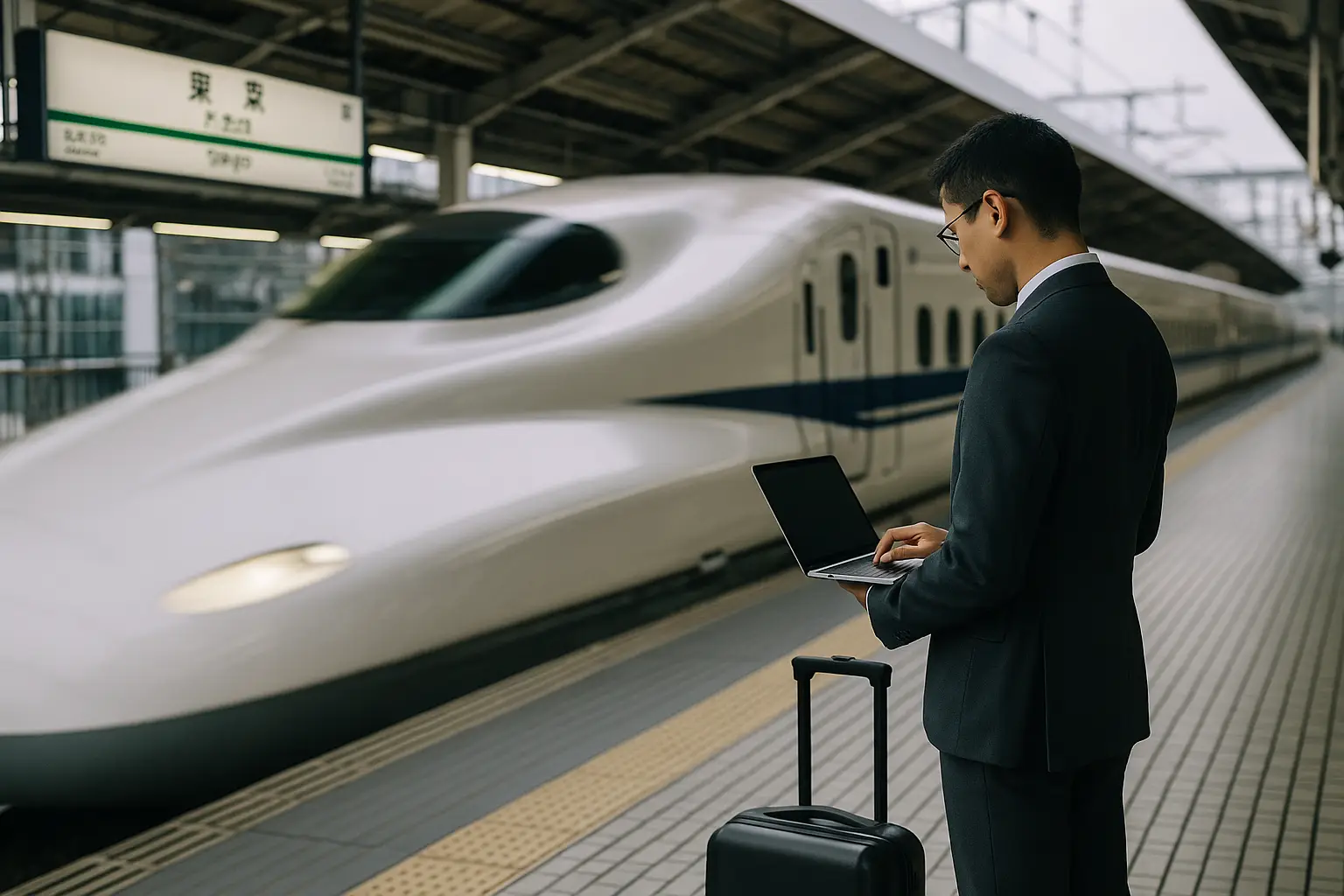
Topic scope: This guide helps professionals plan corporate travel to Japan, covering visas, etiquette, transport, connectivity, receipts, and meeting logistics. It targets executives, assistants, and founders engaged in international trips. It also serves readers considering business travel to japan or traveling to japan for business who want concise, compliant, and on-the-ground advice.
Who is this for, and what should readers expect?
This Q&A is built for time-poor executives and admins optimizing itineraries for japan business travel. It provides crisp answers, checklists, and culture cues that reduce friction. It emphasizes local norms so newcomers can prepare efficiently, avoid faux pas, and focus on outcomes rather than logistics. It’s practical, friendly, and expert-backed for 2025 business engagements in Japan.
What to wear on a business trip to japan?
For conservative meetings, dark suits or smart separates work best; tech and creative firms lean smart-casual. Most professionals prioritize neat tailoring and comfort for transit days. The dress code for business in japan still prizes polished footwear, minimal fragrance, and seasonal layers suited to conference rooms, trains, and quick walks between offices. Many travelers carry a compact lint roller and choose breathable fabrics for humid months.
Do i need a visa for business travel to japan?
Most short visits rely on visa exemption by nationality, but some travelers need a visa. If required, check MOFA Japan eVISA eligibility and how to apply for japan business visa via official channels. Use embassy guidance, carry meeting invitations, and retain onward travel and hotel confirmations. Processing varies by country; start early and align dates with your meeting calendar.
How to schedule meetings in japan around golden week?
Plan around late April to early May when domestic travel surges and some offices close or run skeleton staffing. Punctuality in japan business stays non-negotiable, yet responses may slow near holidays. Confirm attendance earlier than usual and set delivery buffers on cross-border projects to protect timelines. Consider virtual kickoffs before holidays and in-person sessions after crowds ease.
What are the essentials of Japan business etiquette?
Two pillars define japan business etiquette and japanese business etiquette: respect for context and clarity. Learn meeting etiquette in japan—wait to be seated, accept tea, and minimize interruptions. “JNTO etiquette” tips stress modesty, while “JETRO business customs” explain hierarchy within japanese business culture. Professionals practice keigo (polite language) and try to kuuki yomu (read the air) to match the room.
How to exchange business cards in japan?
Professionals follow business card etiquette japan: present cards cleanly with two hands, text facing the recipient, and pause to read. This signals regard when addressing japanese clients. Bring meishi (business card) in ample supply, keep them pristine, and never write on a card during the meeting unless invited. A slim holder protects edges and speeds introductions in multi-party rooms.
Bowing vs handshake in japan business?
They mirror the host. A light handshake after a small bow suits international rooms; in formal settings, a deeper bow opens respectfully. Silence is treated as thinking time; it supports meeting etiquette in japan and clear decision-making. When uncertain, senior hosts lead the sequence, and visitors follow with attentive posture, steady eye contact, and a measured speaking pace during key points.
Is english used in japanese business meetings?
Many global teams operate in English, especially with multinationals and startups, yet not all stakeholders are fluent. To reduce friction, send succinct agendas and bilingual slides when possible. Ask ahead if interpreters are required. This preparation shows care for clarity, time, and outcomes across mixed-language rooms, and it lowers risk during negotiation stages and complex reviews.
What are dining, tipping, and after-hours norms?
Dining etiquette japan business favors shared plates, quiet conversation, and tidy place settings. Can you tip in japan for business meals? Generally no; service charges cover hospitality. Gift-giving etiquette japan business suggests small omiyage (souvenir gifts) at first visits. Nomikai (after-work drinks) can matter, but moderation is fine. After-work drinks etiquette japan accepts polite early departures when schedules demand.
How to get from haneda to tokyo for meetings?
The Tokyo Monorail to Hamamatsuchō enables rapid transfers to JR lines and business districts. Many commuters use Suica or PASMO on phones or cards to breeze gates and small purchases. For door-to-door needs, pre-booked taxis help, though rail remains the speed-to-predictability value leader for peak hours. Factor in baggage delivery if running straight to client sites.
What’s the fastest connection from Narita to the city?
Narita Express offers simple rail into Tokyo, with direct runs to Tokyo, Shinagawa, and Shibuya. Reserving seats during peak times and checking platform signage carefully is prudent. If luggage is heavy, consider takkyubin delivery to hotels. For frequent intercity trips, plan rail legs in advance rather than relying on bundles aimed primarily at vacationers and sightseeing itineraries.
Is jr pass worth it for business travel?
Map expected legs and fares before deciding. A nationwide rail pass mainly serves leisure itineraries spanning many long-distance segments inside a week or two. For point-to-point day trips and flexible schedules, reserved single tickets usually outperform on time and cost. Keep expense policies in mind, especially around seat class, cancellations, and change fees across suppliers.
How to book shinkansen for business?
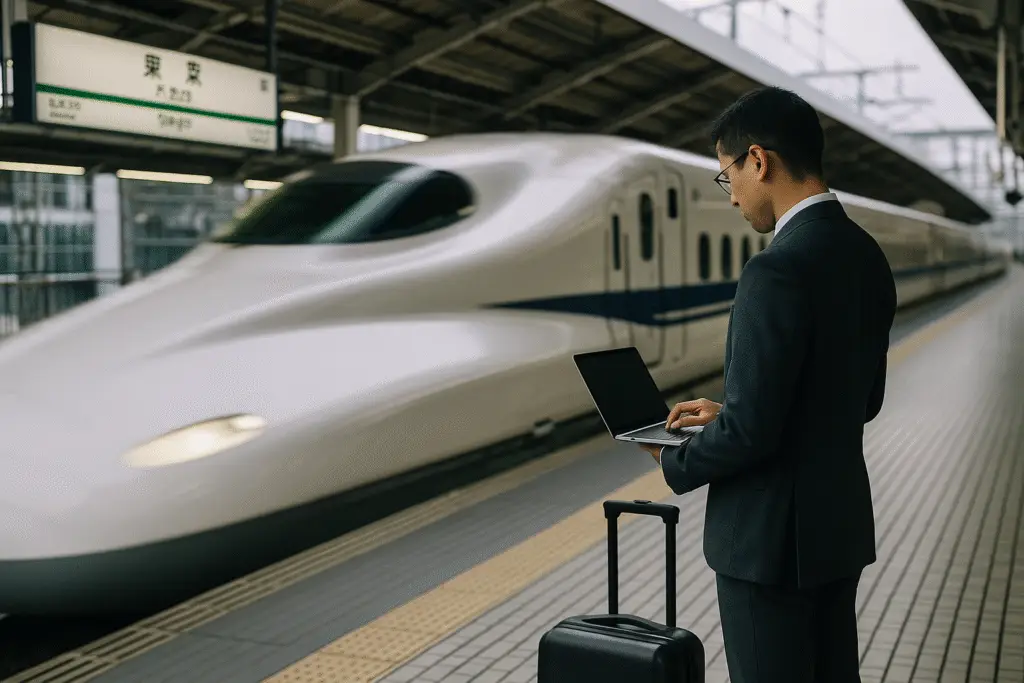
Teams use official English booking portals to select departures, seat rows, and car types, then pick up tickets at the station. Build five-minute buffers for platform navigation. When schedules are fluid, choose aisle seats for quick exits; window seats suit heads-down review between meetings. Save receipts at purchase to speed reimbursement and ensure finance sees train numbers.
How do taxis and payments work?
Another frequent concern is how to pay taxis in japan late at night or between venues. Most urban taxis accept cards and major wallets; some local fleets still prefer cash. Carrying small bills helps on rural hops. For predictability, use corporate ride partners or hotel desks for bookings. Request printed receipts and confirm destination details before the vehicle moves.
What time are business hours in japan?
Expect roughly 9:00–18:00 on weekdays for many offices, with variations by industry. Government counters, banks, and museums diverge. Mondays after long holidays and late April–early May can be congested. Secure room bookings ahead and avoid tight turnarounds right after national breaks. When scheduling cross-border calls, share multiple slots to handle holidays and daylight-saving shifts.
Plug adapter for japan laptop: what should travelers pack?
Japan uses Type A/B flat blades and a 100V supply. Most modern chargers are dual-voltage; check the “100–240V” label to avoid converters. Multi-port adapters help handle laptop, phone, and hotspot together. Many travelers pack a compact power strip with surge protection for hotels where desk outlets are limited, and keep a spare cable in a carry-on for last-minute meetings.
Best esim for japan business travel?
Choosing the right eSIM depends on coverage, hotspot needs, and caller-ID use. Executives tend to favor carriers with strong Shinkansen corridor performance and smooth app onboarding. For teams, order corporate eSIMs with pooled data and spend alerts. One device is often kept on roaming for MFA fallbacks and airline SMS, then switched to local data for everyday maps, mail, and calls.
How to get receipts in japan for expenses?
Requesting a ryoshusho (receipt) and, where relevant, a qualified invoice supports tax-credit rules. Some merchants add a hanko (seal) on documents; keep them flat for scanning. Label expense categories immediately, since item descriptions can be brief. Hotels will reprint folios; taxis can reissue if asked promptly. Export PDFs so finance can reconcile quickly across currencies.
Business meeting gift ideas japan?
Teams consider light, consumable items from their home city—coffee, chocolate, or stationery. Avoid bulky souvenirs or sharp objects. Present gifts after initial greetings, not mid-discussion. For repeat visits, rotate themes seasonally. Subtle packaging is appreciated; skip flashy wrapping. A short card helps context without obligating reciprocation, and it travels well in laptop sleeves.
City transfers & transit cheat-sheet (quick table)
| Scenario | Preferred mode | Why it’s useful | Notes |
|---|---|---|---|
| Haneda → central Tokyo | Tokyo Monorail | Fast link to JR lines/business hubs | Quick transfer at Hamamatsuchō to JR/metro |
| Narita → central Tokyo | Narita Express | Direct to Tokyo/Shinagawa/Shibuya | Reserve seats at peak; platforms are well-signed |
| City transit & payments | Suica / PASMO / ICOCA | Tap-to-pay for rail, bus, kiosks | Load to phone where available; refund rules vary |
| Multi-city, many legs | JR Pass | Good for dense sightseeing itineraries | For business, compare per-leg reserved seats vs. pass |
Conclusion
A successful business trip to japan blends meticulous prep with cultural fluency. With this playbook, planning becomes simpler and more predictable—whether booking rail, confirming rooms, or navigating etiquette. For repeat trips, teams can save time by templatizing itineraries, centralizing receipts, and sharing post-trip learnings to sharpen the next visit faster.
References (selected)
- MOFA visa overview and JAPAN eVISA guidance.
- JNTO business hours & etiquette; JETRO business customs.
- JR East Narita Express; Tokyo Monorail official.
- IC cards: Suica (JR East), PASMO (official), ICOCA (JR West).
- JR Pass (JR Group) and JNTO guide.
- Shinkansen reservations: JR-EAST Train Reservation; JR-Central (company info).
- Electrical standards (Type A/B, 100V): Electrical Safety First.
- Qualified invoice system for receipts: National Tax Agency (Japan).